

Mastering Flavor Profiles: 5 Techniques for Global Cooking
In the culinary world, flavor profiles form the backbone of every great dish. When you know how to balance and combine different flavors, your cooking transforms into a tapestry of international recipes waiting to be explored. Join me as we dive into five essential techniques that'll help you master flavor profiles and elevate your cultural cooking game.
1. The Art of Seasoning
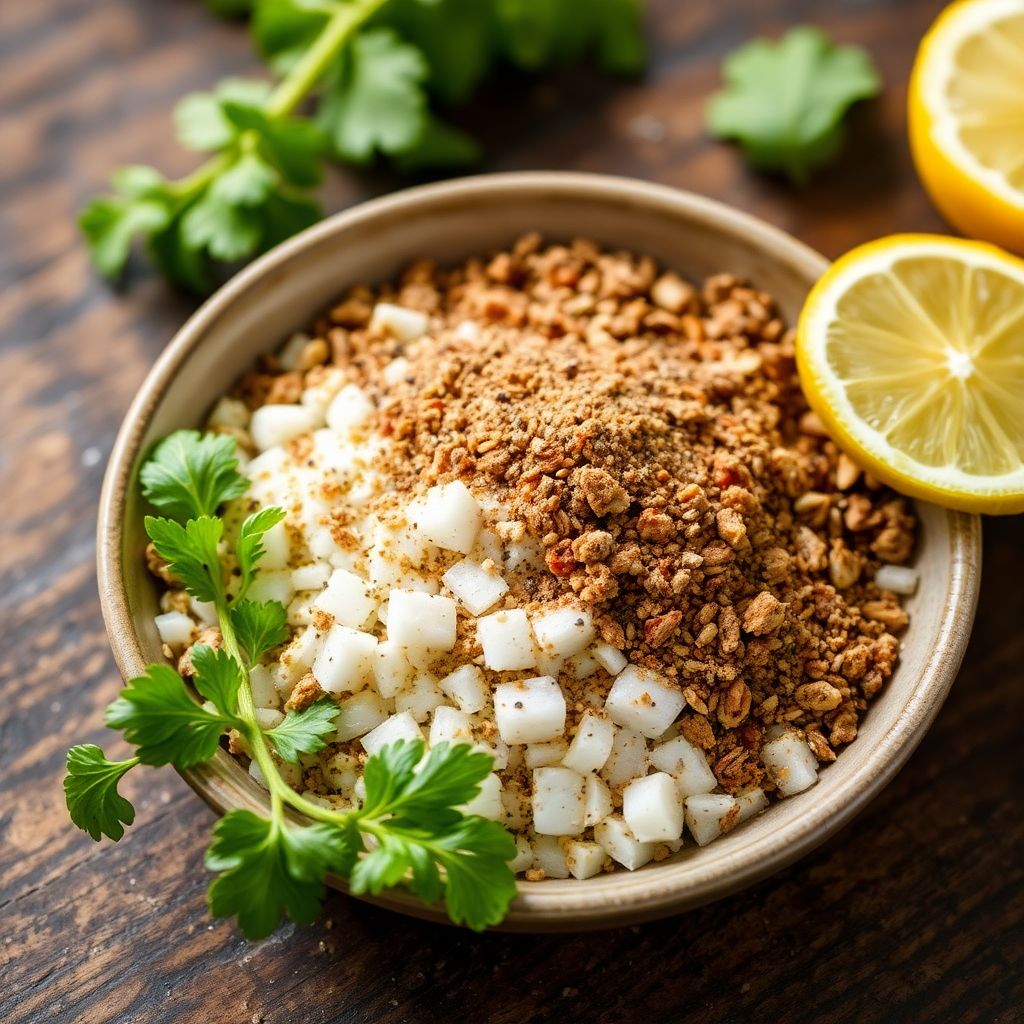
Seasoning is one of the most fundamental techniques in cooking. It's not just about adding salt; it's about enhancing the natural flavors of your ingredients. Let's get you seasoning like a pro:
- Salt: Opt for kosher salt while cooking; it's easier to control. Finish dishes with a sprinkle of flaky sea salt for that perfect burst of flavor.
- Acidity: Brighten your dishes with vinegar, citrus juice, or even pickle elements. These can cut through richness and add a delightful depth.
- Herbs and Spices: Fresh herbs elevate any dish, while dried spices provide warmth. Don't be shy, experiment with cilantro, basil, cumin, or coriander to discover your favorite flavor combinations.

2. Balancing Sweet and Savory
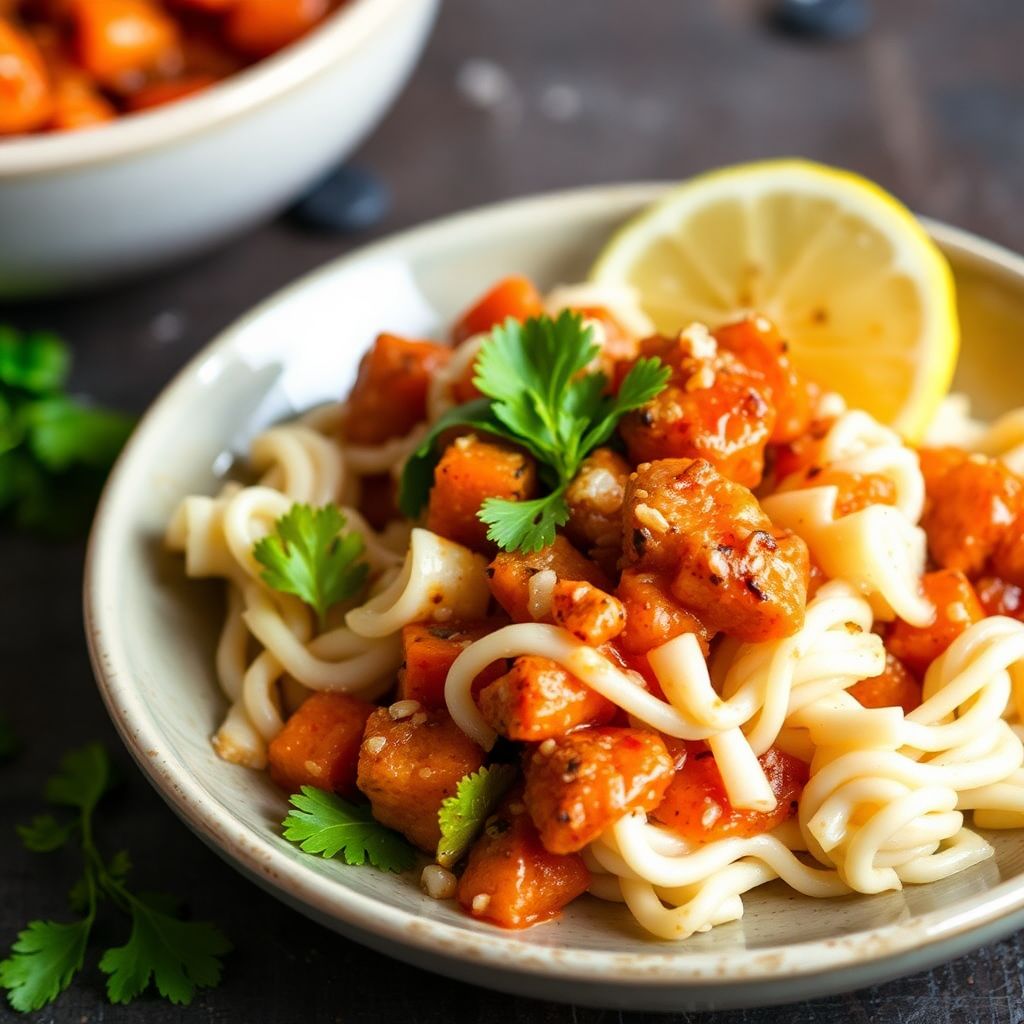
Sweetness can elevate savory dishes, creating a depth of flavor that's hard to resist. Mastering this balance is key in cuisines from Asian to Mediterranean. Here's how to nail it:
- Natural Sweeteners: Use honey, maple syrup, or fresh fruit to add sweetness without overwhelming the dish.
- Umami Boost: Ingredients like soy sauce, miso, or tomatoes introduce a savory depth that beautifully balances the sweetness.
- Experiment: Add a touch of sugar to a savory sauce or a pinch of salt to a sweet dessert, your taste buds will thank you for the surprising flavor pairings!

3. Layering Flavors
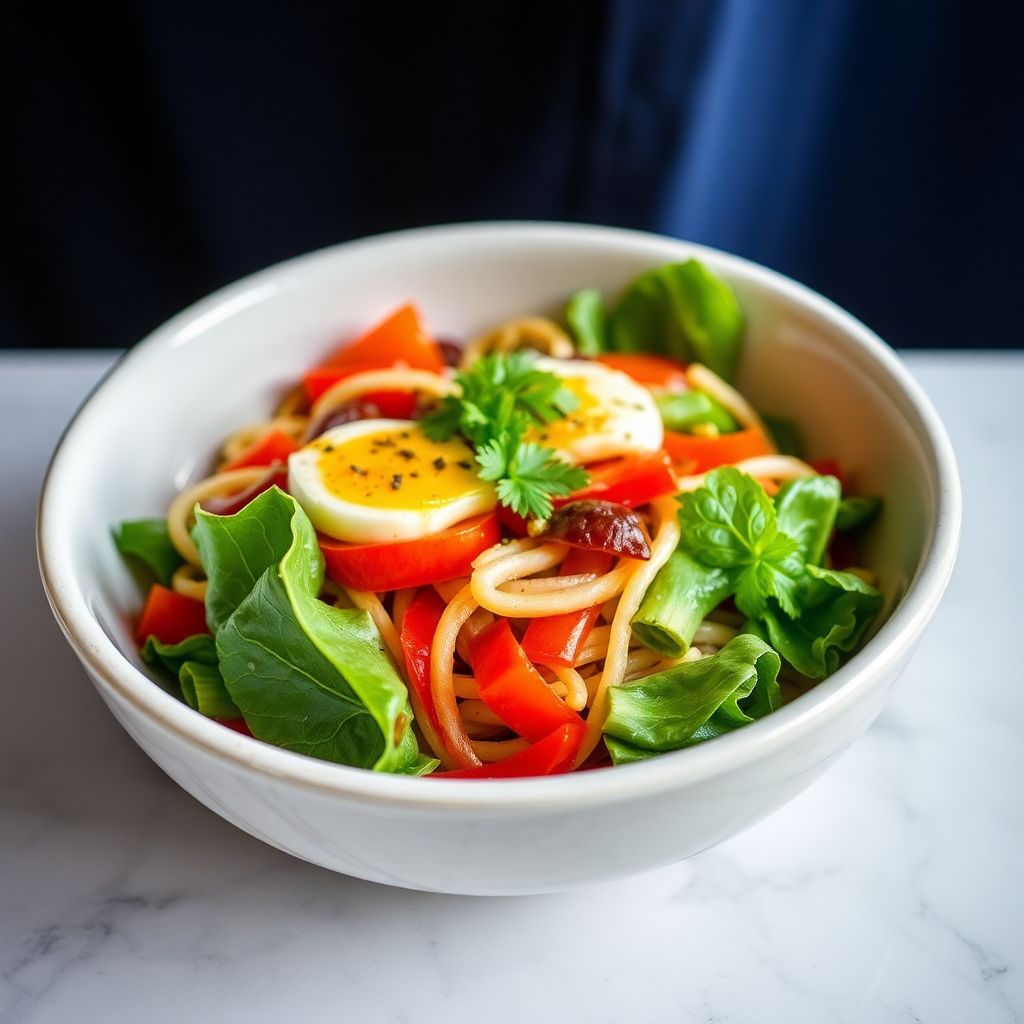
Layering flavors creates complexity in your dishes, a hallmark of classic recipes from around the globe. Here's how to master this technique:
- Base Ingredients: Start with aromatics like onions, garlic, and ginger. Sauté them to release their essential oils and build your flavor foundation.
- Add in Stages: Introduce ingredients gradually. For example, add spices early to bloom their flavors, but save fresh herbs for the end to preserve their brightness.
- Finish with a Twist: A squeeze of lemon or a sprinkle of fresh herbs can take your dish to the next level.

4. Understanding Regional Ingredients
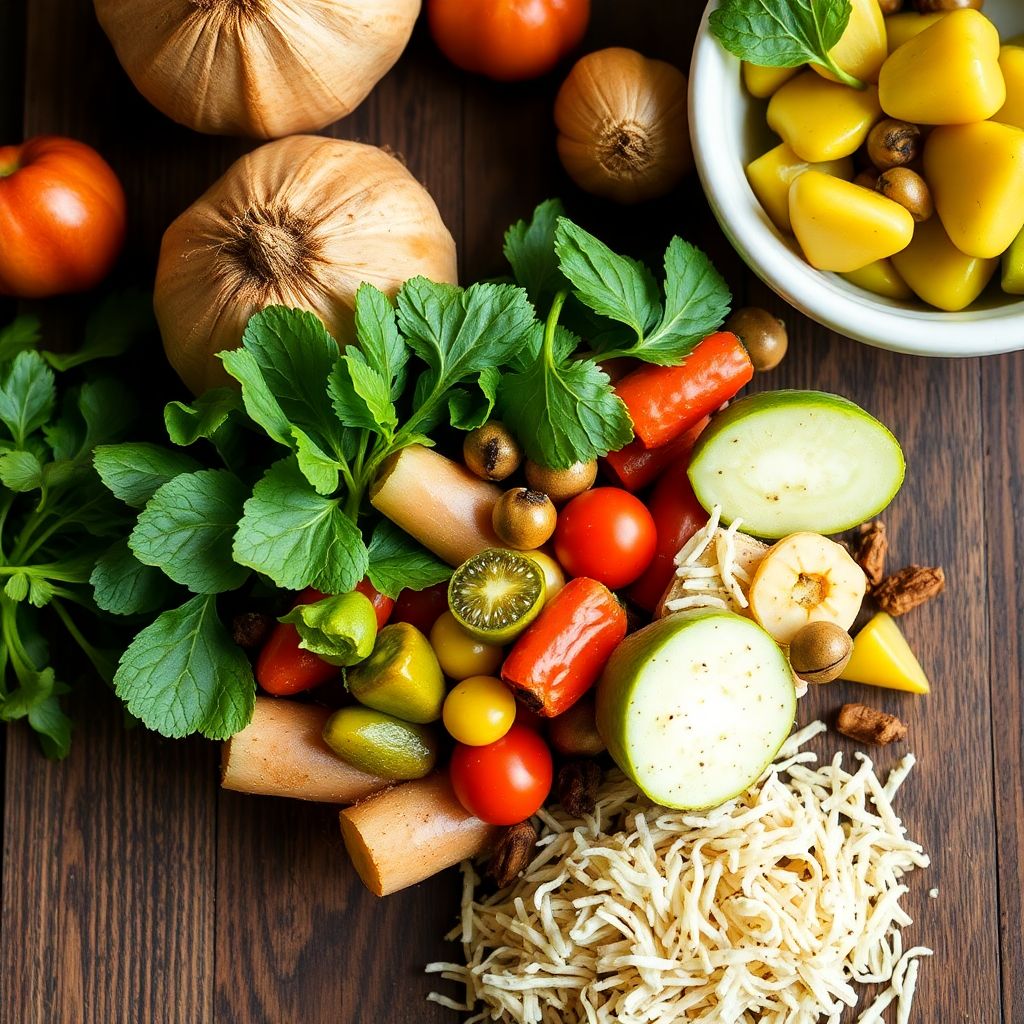
Every culture boasts unique ingredients that shape its flavor profiles. Familiarize yourself with these to broaden your culinary repertoire:
- Spices: Learn the star spices of different cuisines, like saffron in Persian cooking or chili in Mexican dishes.
- Local Produce: Know what vegetables, fruits, and grains are prevalent in various cultures. For instance, eggplant shines in Mediterranean dishes, while plantains are a staple in Caribbean cuisine.
- Fermented Ingredients: Integrate ingredients like kimchi, miso, or yogurt to add depth and complexity to your meals.

5. Experimenting with Cooking Techniques
Different cooking methods can dramatically impact flavor profiles. Understanding these techniques can transform your dishes:
- Roasting: This method caramelizes sugars and intensifies flavors. Try roasting vegetables to unleash their natural sweetness.
- Grilling: Adds a smoky depth that enhances both meats and veggies. Don't forget to marinate your ingredients for that extra punch!
- Slow Cooking: Perfect for stews and soups, this technique melds flavors beautifully over time.

Conclusion
Mastering flavor profiles is an exciting journey that opens the door to a world of culinary possibilities. With these five essential techniques in your back pocket, you'll be creating delicious international recipes that showcase the rich tapestry of global cuisines. So roll up those sleeves, gather your ingredients, and start experimenting with these flavor-enhancing tips in your home cooking!


